10-Unit Computer Science Course – High School
Credit-bearing, self-paced computer science curriculum for high school students
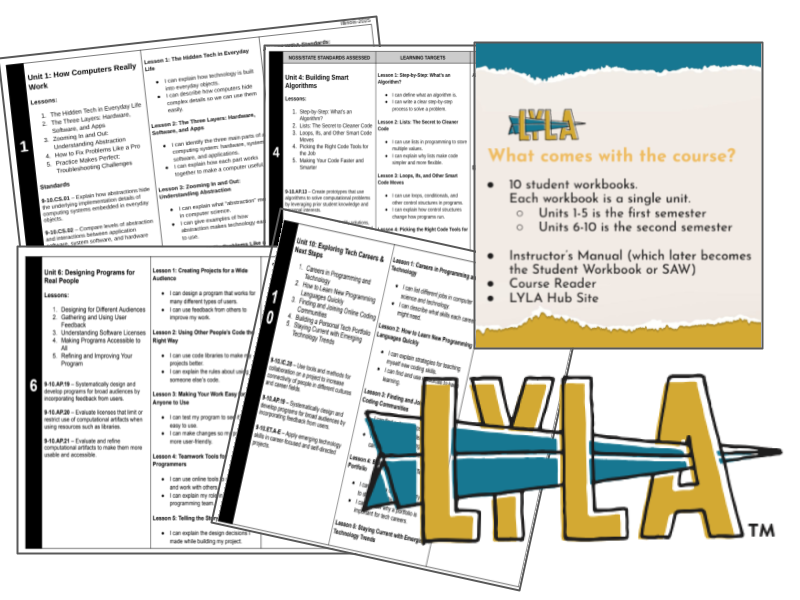
Scope & Sequence: Concept progression across all 10 units
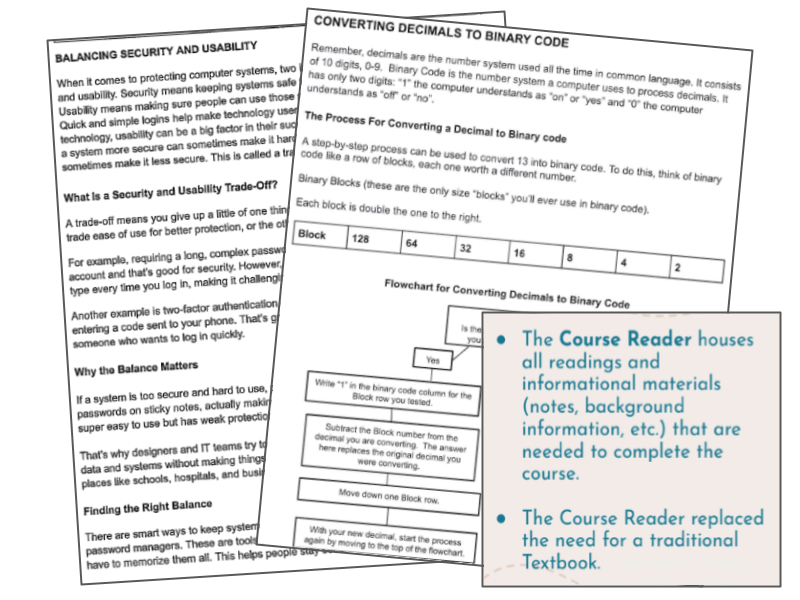
Course Readers: 60-page unit readers with clearly defined learning targets
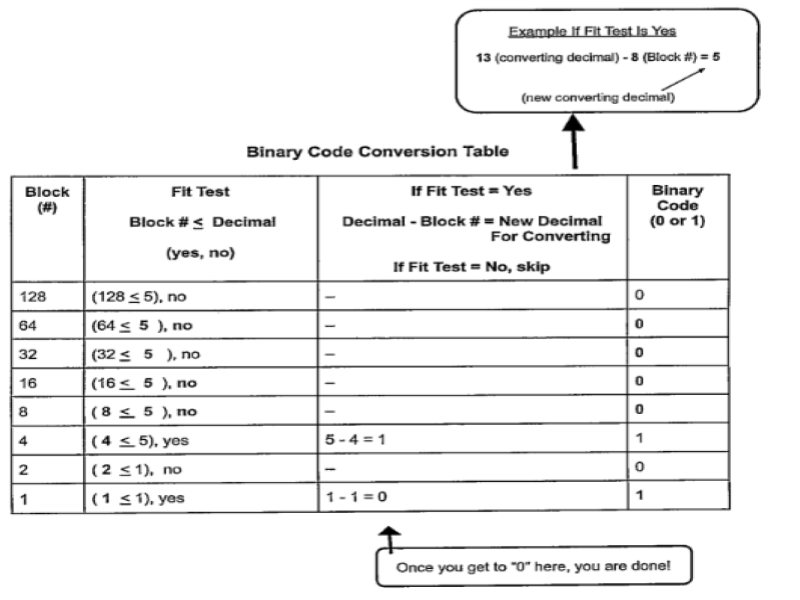
Student Activities: 20–25 scaffolded, student-facing activities per unit
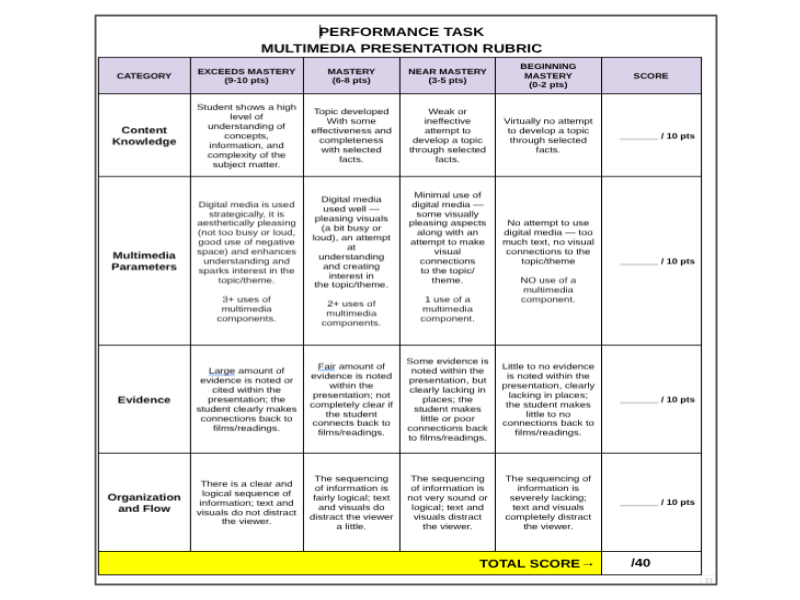
Performance Tasks: Authentic computer science roles with rubric-based evaluation
Overview
Designed a comprehensive 10-unit computer science course for high school students to complete independently for academic credit. The course translates complex computer science concepts into structured, step-by-step instructional pathways while engaging students in authentic activities modeled after real-world roles in computer science.
The Challenge
The course was developed from scratch using only a curriculum map and content standards. There were no existing instructional templates, formatting guidelines, or supporting materials. The challenge was maintaining academic rigor while reducing cognitive load—breaking down advanced concepts into manageable lessons suitable for self-paced completion and formal credit attainment.
Results & Learnings
The final curriculum provides a complete, credit-bearing computer science course that students can complete independently with clarity and confidence. Educators reported strong alignment between learning targets, activities, and assessments, as well as improved consistency and usability across units. This project reinforced the value of structured scaffolding, authentic performance tasks, and system-level instructional design.
← Back to Portfolio